

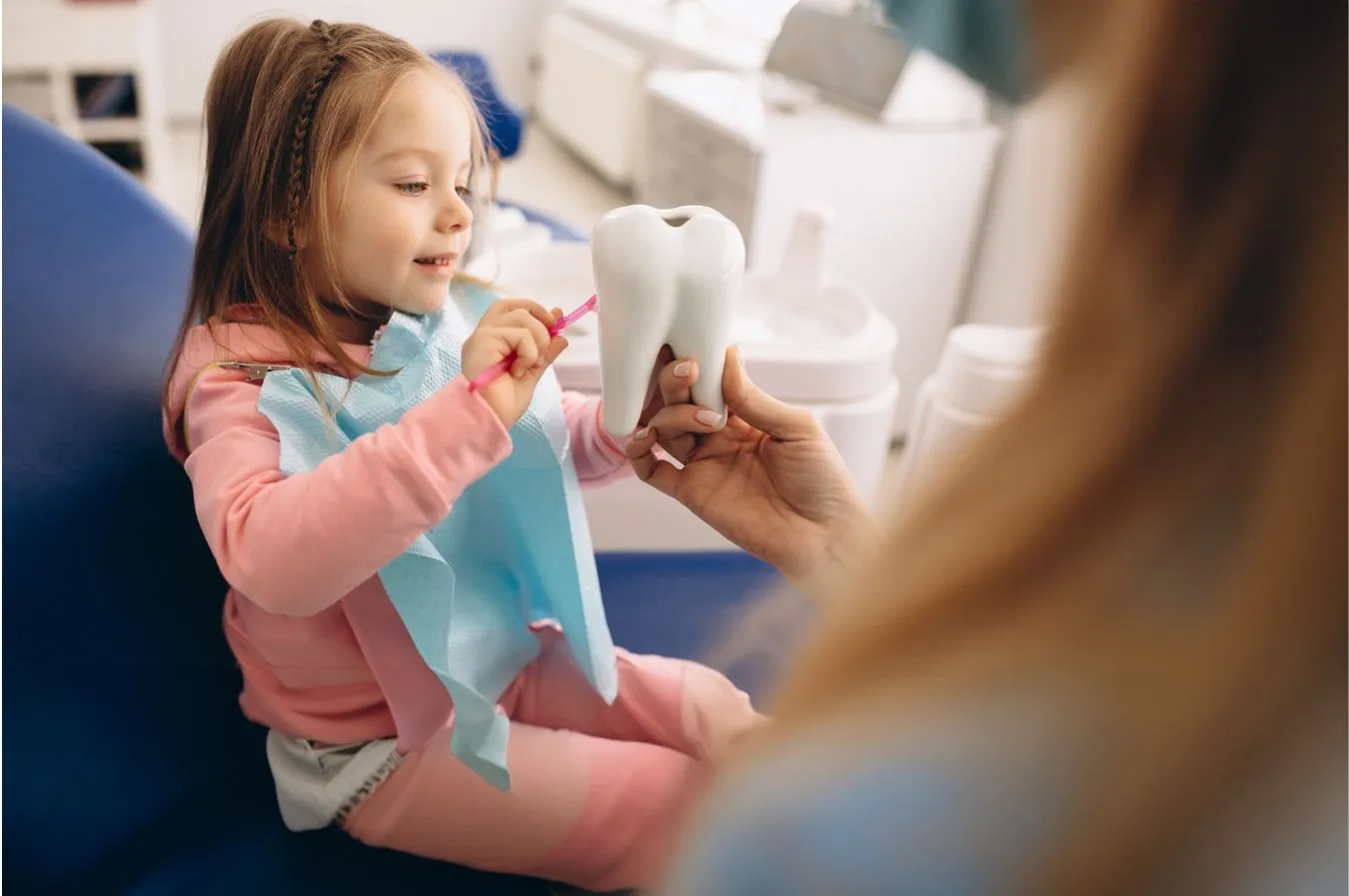
Brushing and flossing at home are the foundation of a healthy smile, but they aren’t enough on their own to prevent all dental problems. Even the most diligent child can miss certain areas of their mouth or struggle to remove plaque that hardens into tartar over time. That’s where routine professional dental cleanings come in.
Regular cleanings, performed as part of a preventive care plan, give children the best chance at maintaining healthy teeth and gums — and they offer benefits that go beyond what a toothbrush can achieve.
Why Kids Need Professional Dental Cleanings
While daily home care is essential, professional cleanings address challenges that brushing and flossing can’t always solve:
- Plaque removal — Even with good technique, small areas may be missed. Over time, plaque hardens into tartar, which can’t be removed with a toothbrush.
- Gum health — Removing buildup along the gumline helps prevent gingivitis, the earliest stage of gum disease.
- Prevention of cavities — Cleanings reduce bacteria levels in the mouth, lowering the risk of tooth decay.
Professional cleanings complement at-home care, creating a more complete defense against oral health problems.
How Often Should Kids Have Dental Cleanings?
Most children benefit from a dental cleaning every six months as part of their regular exam. Some may need more frequent visits if they:
- Have a history of frequent cavities.
- Show early signs of gum disease.
- Wear braces or other orthodontic appliances.
- Have special health care needs that affect oral hygiene.
The dentist will recommend a cleaning schedule based on your child’s unique needs and risk factors.
What Happens During a Child’s Dental Cleaning
A typical pediatric dental cleaning includes:
- Plaque and tartar removal — Using special tools, the hygienist gently removes buildup from teeth and along the gumline.
- Thorough brushing — A polishing tool and flavored toothpaste are used to clean and smooth the tooth surfaces.
- Flossing — The hygienist carefully flosses between each tooth to remove debris and plaque.
- Fluoride treatment — Strengthens enamel and helps prevent cavities.
- Oral hygiene tips — Guidance for brushing and flossing more effectively at home.
This process is quick, gentle, and adapted to a child’s comfort level.
The Benefits Go Beyond Clean Teeth
Routine dental cleanings provide a range of benefits that support both oral and overall health:
- Early problem detection — Dentists can identify cavities, misalignment, or other issues before they worsen.
- Fresher breath — Removing plaque, tartar, and bacteria helps eliminate persistent bad breath.
- Healthier gums — Cleanings reduce inflammation and bleeding caused by plaque buildup.
- Positive dental habits — Regular visits help children get used to dental care, reducing anxiety over time.
These benefits build a strong foundation for a lifetime of good oral health.
Why Brushing and Flossing Aren’t Enough
Even with great home care, there are limits to what a toothbrush and floss can do:
- Hard-to-reach areas — Back molars and crowded teeth can be tricky to clean thoroughly.
- Tartar buildup — Once plaque hardens, it requires professional tools to remove.
- Missed spots — Children may rush or skip parts of their mouth without realizing it.
Professional cleanings fill in these gaps, reducing the risk of decay and gum disease.
The Link Between Oral Health and Overall Health
Keeping your child’s mouth clean and free of infection is important for more than just their smile. Poor oral health can affect:
- Nutrition — Tooth pain can make it hard to chew healthy foods.
- Speech development — Untreated dental problems can impact pronunciation.
- Self-confidence — A healthy smile supports a child’s social and emotional well-being.
By preventing dental problems, routine cleanings help protect overall health.
Making Dental Cleanings a Positive Experience
Many children enjoy dental cleanings once they understand what to expect. Parents can help by:
- Talking about the visit in a positive, upbeat way.
- Scheduling appointments when the child is well-rested.
- Reading books or watching videos about dental visits.
- Avoiding negative words like “hurt” or “shot.”
A relaxed, confident child is more likely to have a smooth, stress-free cleaning.
Signs Your Child May Need a Cleaning Sooner
Even if your child’s next cleaning isn’t scheduled yet, you may want to call the dentist if you notice:
- Persistent bad breath.
- Yellow or brown buildup along the teeth or gums.
- Red, swollen, or bleeding gums.
- Increased tooth sensitivity.
Addressing these signs early can prevent bigger problems later on.
The Long-Term Impact of Consistent Cleanings
Children who receive regular dental cleanings are more likely to:
- Experience fewer cavities and dental emergencies.
- Maintain healthier gums into adulthood.
- Develop strong oral hygiene habits.
- Feel confident in the dental chair.
Consistency is key — every visit reinforces the importance of keeping teeth and gums clean.
Final Thoughts
Daily brushing and flossing are essential, but they work best when combined with professional dental cleanings. These visits remove harmful buildup, support gum health, and give the dentist a chance to catch issues early.
If your child is due for a dental cleaning in Knightdale, NC, Grow Pediatric Dentistry provides gentle, thorough care designed for little smiles. Contact us today to schedule your child’s next appointment and help them enjoy a lifetime of healthy teeth and gums.